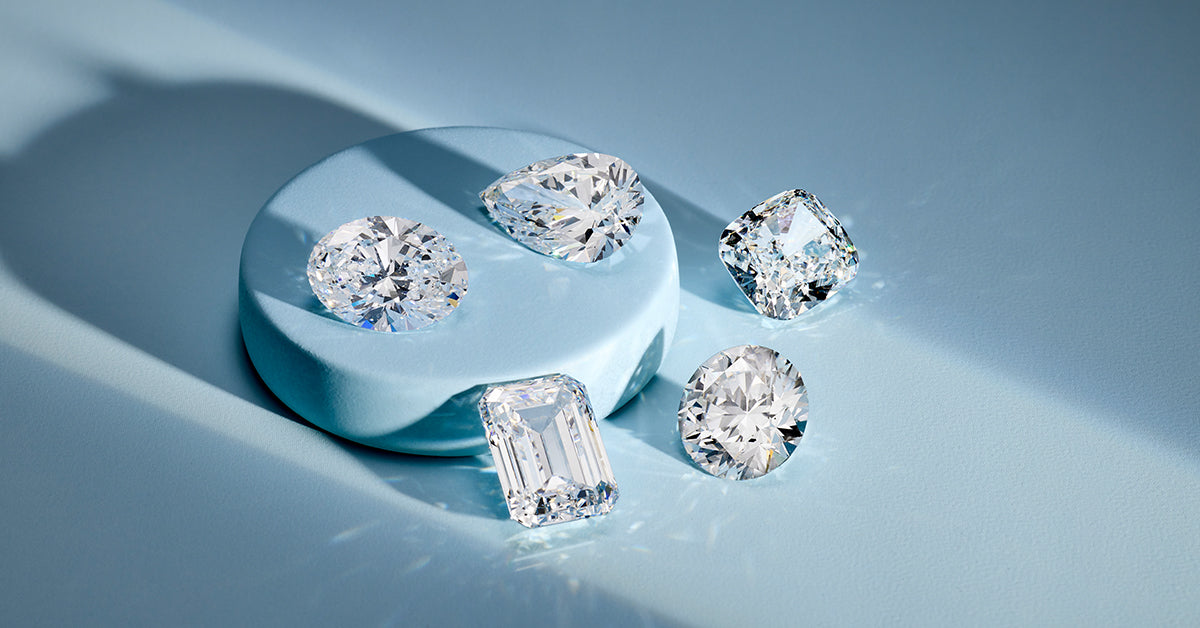
Diamonds once stood alone as symbols of wealth, grace, and lasting affection. Lately though, something different has entered the scene – lab-created stones gaining fast ground. Made without mining, they carry lighter consequences on nature plus fewer ethical concerns. Their prices tend lower too, making them reachable for many. For anyone stepping into this space now, beginning with the gem itself makes sense – look close at what lies behind its glow. These newer diamonds aren’t just alternatives – they’re shifting tastes one piece at a time.
Table of Contents
Understanding Lab Grown Diamonds
Created deep underground over eons, real diamonds form slowly beneath Earth’s surface under crushing pressure and intense heat. Lab versions appear instead inside machines, built layer by layer through precision science in just weeks. These human-crafted stones share identical structure with their ancient counterparts, yet arrive without long waits. While nature takes ages to make them, people now grow similar gems on demand using electricity, carbon, and careful control. What once required geological time can today unfold within rooms filled with humming equipment.
One way to make these stones is called HPHT, using extreme heat and crushing pressure like deep underground. Instead of mimicking nature’s depth, another method – CVD – builds crystals slowly from a vapor filled with carbon. Though different in setup, each process creates real diamonds down to their core structure. Light bends through lab-grown gems exactly as it does in those pulled from the earth. Their toughness matches too, standing up to daily wear without scratching or fading. Because they look and last the same, many choose them for rings tied to promises, lifelong bands, or heirloom designs passed on years later.
Lab Grown Diamonds Why People Pick Them
What draws people isn’t just how they look. These days, shoppers care more about where things come from – how they’re made matters too. lab grown diamonds settings, these stones skip the environmental toll of digging deep underground. They avoid the human harm tied to some mining zones. Price tags tend to stay lower, since there’s no need for massive excavation efforts. Each piece answers a quiet demand for smarter choices
- Finding gems through old methods often harms nature, sometimes using unfair worker treatment. Yet lab-made stones skip those issues entirely – no guilt attached when choosing them.
- Fewer trees get cut when diamonds come from labs instead of mines. Earth washes away less where digging doesn’t happen. Burning fuels drop off sharply once heavy machinery stays silent. Labs use less water, land, energy – whole systems run leaner. Nature keeps more balance without deep scars across its surface.
- Pricing works differently now – lab-made gems often run between 20 and 40 percent below natural ones that match in size and grade. Shoppers find room to choose bigger pieces or sharper cuts while staying within limits.
Some folks see lab-made diamonds as simply making sense. A ring for marriage, a yearly milestone, or just something kept close might begin with a stone shaped by today’s beliefs – yet it holds the quiet grace of older times.
The Four Cs and Synthetic Diamonds
Start heavy on details. Diamonds get judged by four things – weight, how they’re shaped, their shade, their clean look – and that hasn’t changed. Not a single lab-made stone misses the mark; each one nails every point without fail
- Biggest difference? Size options without the steep price tag. These stones let shoppers pick heavier weights – usually out of reach with natural gems – because lab-made versions cost less. A two-carat stone might fit a budget where it wouldn’t before. Cost drops open doors to bigger looks. Value shifts when origin changes.
- Brightness and sparkle rise sharply when lab-made stones are shaped with care. Because machines guide each slice, every angle lands where it should. Sharp results come through steady hands replaced by smart tools. Where flaws might hide, consistency shows instead. Exactness follows from start to finish, guided by design rather than guesswork.
- Some lab-created stones show no color at all, while others carry a hint of tint, giving shoppers room to choose based on what they like. These gems span every shade category, clear through soft tones, fitting different tastes without limitation.
- Those grown in stable settings tend to hold fewer flaws, so they often score better on clarity scales. Clearer stones come from setups where conditions stay steady during formation.
Grasping these details matters when buying something that lasts. If you are just beginning to explore diamonds, choosing well-made lab-created stones offers both beauty and durability. Comienza con el diamante might be where clarity begins.
Lab Grown Diamond Jewelry Becomes Widely Available
From earrings to bracelets, lab-made stones now appear in nearly every kind of piece. Whether it’s a pendant or a cufflink, these gems fit more designs than before. Not limited by shape or size, they show up where natural stones rarely go. Even vintage-inspired brooches carry them today. Styles once tied only to mined diamonds now mix in synthetic ones too
- Folks tying the knot today often pick lab-made stones for rings – values matter just as much as cost. Sometimes it’s about doing right by the planet, sometimes it’s budget smarts, always a statement.
- Fine rings at easier prices? Lab-made diamonds bring bright shine to endless-loop bands or smaller side gems. These stones slip into designs where cost cuts matter but glow stays strong. Shoppers find them tucked inside classic styles, adding glimmer without draining budgets.
- Little studs, circular hoops, these dangle drops – each holds man-made stones, worn daily not for show but belief. A quiet kind of grace lives here, shaped by what matters beneath the surface.
- Starting with a sketch on paper, some jewelers now shape unique pieces around lab-made stones. These gems offer flexibility, so one-of-a-kind ideas can take form more easily than before. Because they’re grown in controlled settings, rare cuts and colors become possible without relying on what’s pulled from the earth.
From everyday presents to bold designs, lab-made diamonds fit every moment. Their flexibility shows in how they work just as well for quiet moments as for standout looks. Not limited by setting or style, these stones adapt easily. What matters is the way they carry themselves across uses. Each example proves their range without needing extra explanation.
Laboratory Created Diamonds Misconceptions
Even though more people are buying them, myths about lab-made diamonds haven’t completely faded
- Mine them from deep underground. Or grow them slowly in a lab using heat and pressure. Both end up being actual diamonds, made of pure carbon arranged the same way. One comes from Earth. The other shaped by science. Same sparkle. Same hardness. Just different starting points.
- Even though they cost less, lab-made stones aren’t without worth. Mined gems may fetch higher prices, yet these created ones still carry meaning. Trusted groups can confirm their quality just like natural ones.
- Boring is what some call them. Still, high-tech methods now craft stones with one-of-a-kind shapes, hues, or personalized details – matching the irregular beauty of earth-mined gems.
With this knowledge in hand, shoppers find it easier to choose lab-made diamonds without second thoughts.
Certification and Authenticity
Lab-created diamonds arrive with paperwork too – groups like GIA or IGI handle that. Proof of the 4 Cs shows up in those reports, along with where the stone came from. Trust builds when details are clear, not hidden behind guesses. A buyer who asks for papers gets clarity on what they’re really holding. No certificate? Then questions remain unanswered. Seeing it written down makes all the difference. These documents act like a history log for each individual gem. Without them, even identical stones feel uncertain. Papers from known labs stick around long after purchase. They turn vague ideas into concrete facts about cut, color, clarity, carat. Honest sellers won’t hesitate to share these records. It’s not about luxury – it’s basic proof. That sheet of paper becomes part of the stone’s identity. Anyone can claim quality; only certified gems back it up. Buyers keep control by checking first, deciding later. Knowledge arrives folded inside those pages. If it lacks documentation, doubt creeps in fast. Real verification doesn’t whisper – it states directly. Even man-made sparkle needs validation beyond promises. What matters most sits printed between clean margins.
Conclusion
Now here comes science, shaping gems without digging deep into Earth. These stones shine just like those pulled from mines, tough and timeless under light. Because they skip harsh mining, more people see them as smart picks these days. Rings meant for promises, bold necklaces made to stand out – each piece tells a different story now. What counts as valuable begins changing, quietly, one gem at a time.
Diamonds open the door to fine gemstones. Begin here, where lasting beauty meets mindful choices. These stones aren’t fleeting fashion – they’re shaping what jewelry becomes. Created in labs, they offer sparkle without compromise. Shine bright, knowing your piece leaves a lighter mark on the planet.