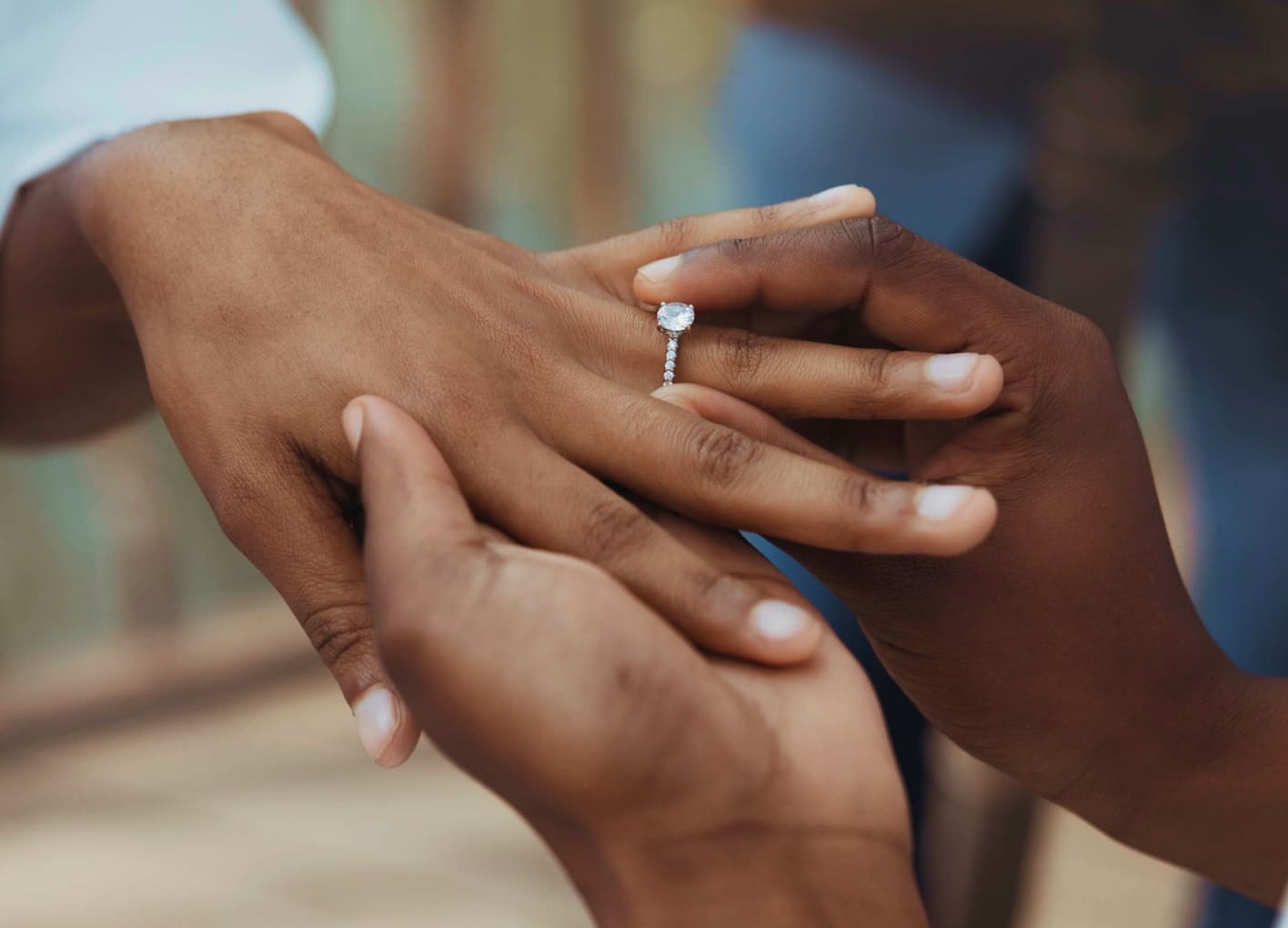
Diamonds grown in labs are genuine gems formed inside machines rather than dug up underground. Because their makeup matches mined stones exactly, telling them apart takes special tools. These synthetic versions look just like classic diamonds yet come with different perks. When shopping for an engagement ring, picking one of these could clear common hurdles. Pricing tends to be lower, so your money buys a bigger gem without cutting corners. A guarantee comes with knowing your diamond avoids conflict zones. Should values like ethics and environmental care rank high, these lab grown stones fit the picture just fine.
Table of Contents
Lab Made Diamonds How Theyre Created
One way labs grow diamonds is through intense pressure and heat. Another uses gas inside a chamber under special conditions. Knowing how each works lets you decide with clearer insight.
- Deep underground forces shape diamonds naturally – HPHT copies that intense squeeze and fiery heat. Machines push carbon under crushing weight while baking it at wild temperatures. This method skips slow geologic time by speeding up Earth’s own recipe. Tiny seeds grow into sparkling crystals just like nature intends. Extreme conditions unlock what gentle methods cannot achieve.
- A thin layer begins to form when carbon gas settles inside a sealed space. Diamonds grow bit by bit on a surface under steady conditions. This method uses vapor instead of mined material. A small base supports the structure as it slowly changes. Heat and pressure guide the process without platinum engagement rings.
One way makes diamonds so close to natural ones that only special tools spot the difference. Labs skip many flaws by controlling how they grow them. A purer stone comes out – better color, less cloudiness – even if the price stays flat.
Lab Grown Diamond Advantages
Lab made diamonds offer practical advantages beyond cost savings. Here are some key benefits:
- A smaller price tag often shows up here – usually between twenty and forty percent less than a natural diamond that’s identical in size and clarity. What you get costs noticeably less, even when comparing equal traits across both types.
- Fair trade practices ensure no worker faces harm or unfair treatment. Workers keep their dignity when companies choose clean supply chains.
- Fewer mines mean quieter earth, thinner smoke trails above hills. A slower grind beneath machines cuts deep scars across terrain.
- Need a certain size? Pick your color. Choose an unusual shape. Making it fit just right happens faster now. Colors match what you want. Shapes go beyond basic. Specifics matter less when changes feel simple.
A single carat stone in a rare cut might arrive sooner when grown in a lab, also costing less compared to digging it out of the earth.
Quality and Longevity
A lab grown diamond holds up over time much like its earth mined counterpart. Yet it fits neatly into pieces crafted with platinum, even those meant for engagements. With a rating of 10 on the Mohs scale, scratches barely stand a chance against such toughness. Brilliance sticks around, often lasting many years without fading. Instead of guessing quality, check what matters most – whether it came from deep underground or a controlled setting
- Carat weight
- Cut
- Color
- Clarity
What makes a diamond shine comes down to these details. Even if it’s grown in a lab, a sharp cut brings more sparkle than a natural stone shaped badly. The way light dances inside depends on precision, not origin.
Cost Comparison With Mined Diamonds
Imagine getting more for what you set aside. A natural one-carat round diamond often runs about seven thousand dollars, yet a lab grown version with matching traits could sit around four thousand five hundred. That gap opens room – maybe go bigger, maybe pick better clarity, stay within limits. Pairing that man-made gem with a band made of platinum shapes something both strong and graceful. The metal holds up, resists wear, keeps everything looking fresh across years.
Buying Tips
When buying a lab made diamond, keep these points in mind:
- A stamp of approval matters – pick only stones backed by a report from a trusted lab. What backs the claim? A recognized authority’s verification sitting behind every decision. Never skip that check; it stands between guesswork and confidence. The paper trail proves more than origin – it shows care was taken. Skip uncertified pieces – they speak without proof.
- Look at how mined diamonds stack up against lab ones when it comes to cost. See what each brings to the table before deciding.
- Picking a metal? Platinum stands up well over time, plus it carries that timeless shine people recognize right away. Its strength holds stones firmly, while the cool tone stays consistent without fading into something else.
- Some folks just care about how it looks. Not where it came from. A deep red might catch the eye faster than a story. Shape can speak louder than history when worn daily. What feels right on skin often beats paperwork every time.
A good instance? Choosing a solitaire means going with just one stone, so a round lab diamond set in platinum holds up well. It stays sharp even after years, needing little care along the way.
Future Value
Over time, lab diamonds should hold their worth much like natural ones. Though the scene keeps shifting, what matters – the look and feel of the gem – stays steady. Beauty and sentiment take center stage when you choose one, not fear of losing money down the line.
FAQ
Are lab made diamonds real diamonds?
True enough, lab stones match mined ones in makeup and structure – same toughness, sparkle, strength. Their shine holds up just like earth-grown gems, drop for drop, scratch for scratch.
Can lab diamonds be set in platinum engagement rings?
Fine quality lab diamonds? They hold up just right in any metal setting. When it comes to lasting strength, platinum stands out – its grip on the stone won’t weaken over years of wear.
Lab diamonds usually come in at a lower price compared to mined ones.
True enough. Usually priced between twenty and forty percent lower, they match the look and standard of others. That difference might mean room to step up size or pick something finer.