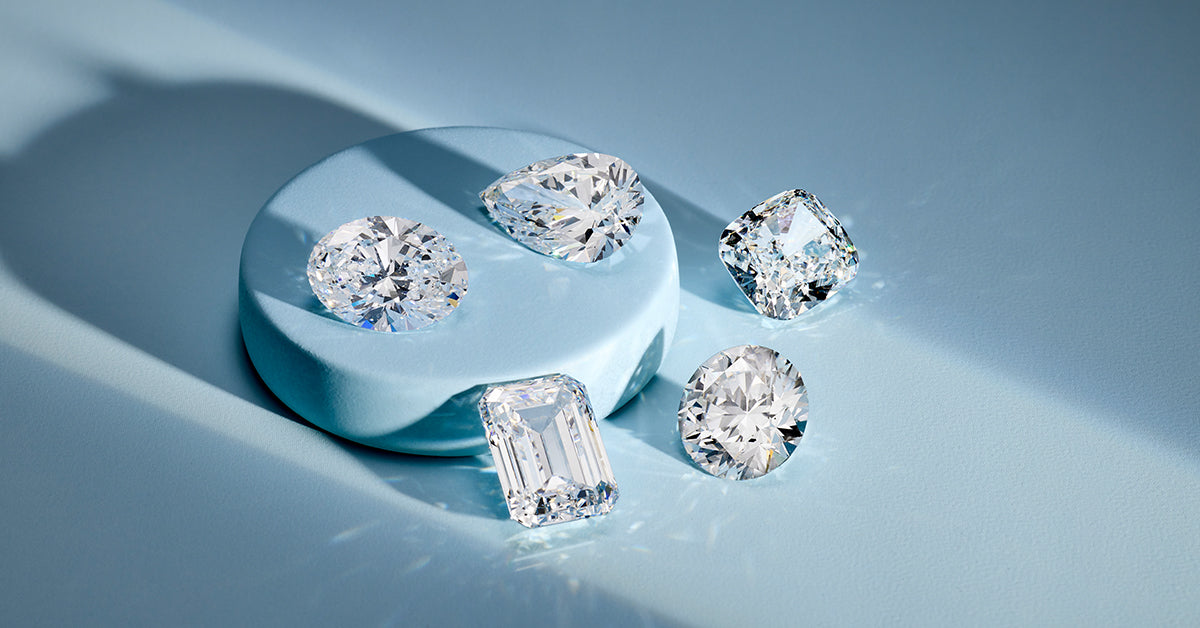
Diamonds have long been a symbol of love, luxury, and timeless beauty. However, the diamond industry has changed significantly over the last few decades. Today, many buyers are choosing man made diamonds as a smart and sustainable alternative to mined stones. These diamonds offer the same sparkle, durability, and elegance as natural diamonds while often costing less.
One of the most popular production methods is lab diamonds hpht, which creates high-quality diamonds in a controlled environment. As consumer awareness grows, more people are discovering the benefits of man made diamonds for engagement rings, jewelry, and investment purposes.
Table of Contents
What Are Man Made Diamonds?
Man made diamonds, also known as lab-grown diamonds, synthetic diamonds, or cultured diamonds, are real diamonds created in laboratories rather than extracted from the earth. They possess the same physical, chemical, and optical properties as natural diamonds.
Unlike diamond simulants such as cubic zirconia or moissanite, man made diamonds are composed of pure carbon arranged in the same crystal structure found in natural diamonds. This means they have identical hardness, brilliance, and fire.
Advanced technology allows scientists to replicate the conditions under which natural diamonds form deep beneath the Earth’s surface. As a result, the finished product is virtually indistinguishable from a mined diamond without specialized equipment.
How Man Made Diamonds Are Created
There are two primary methods used to create lab-grown diamonds.
High Pressure High Temperature (HPHT)
The HPHT process mimics the natural conditions that create diamonds underground. Carbon is exposed to extremely high temperatures and intense pressure, causing diamond crystals to form.
Today, lab diamonds hpht are widely recognized for their exceptional quality and crystal structure. This technology has improved dramatically over the years, making it possible to produce diamonds suitable for fine jewelry and luxury applications.
Chemical Vapor Deposition (CVD)
The CVD method uses carbon-rich gases inside a specialized chamber. These gases break down and deposit carbon atoms onto a diamond seed, gradually growing a diamond layer by layer.
CVD diamonds are also highly popular and are often used in both jewelry and industrial applications due to their consistent quality and efficient production process.
Are Man Made Diamonds Real Diamonds?
A common question among buyers is whether lab-grown diamonds are real.
The answer is yes.
Organizations such as the Gemological Institute of America (GIA) recognize lab-grown diamonds as genuine diamonds. They share the same hardness rating of 10 on the Mohs scale, making them one of the hardest materials on Earth.
The primary difference lies in their origin. Natural diamonds formed over billions of years beneath the earth’s surface, while man made diamonds are produced in laboratories over a matter of weeks or months.
For everyday wear, appearance, and durability, most consumers cannot tell the difference between the two.
Benefits of Choosing Man Made Diamonds
The popularity of lab-grown diamonds continues to increase for several reasons.
More Affordable Pricing
One of the biggest advantages is cost.
Man made diamonds generally cost 30% to 60% less than comparable natural diamonds. This allows buyers to purchase larger stones or higher-quality grades without exceeding their budget.
For engagement rings, this price difference can be particularly appealing.
Ethical Sourcing
Many consumers are concerned about the environmental and social issues associated with traditional diamond mining.
Lab-grown diamonds provide an alternative that eliminates many of these concerns. Since they are created in controlled facilities, buyers often feel more confident about the sourcing process.
Reduced Environmental Impact
Mining operations can require significant land disruption and resource consumption.
Although diamond-growing laboratories still use energy, many manufacturers are adopting renewable energy sources and more efficient production methods. As a result, man made diamonds are often viewed as a more environmentally conscious option.
Exceptional Quality
Modern production techniques can create diamonds with outstanding clarity, color, and brilliance.
Whether produced through HPHT or CVD methods, lab-grown diamonds undergo strict quality control processes that help ensure consistent results.
Lab Diamonds HPHT vs. Natural Diamonds
Appearance
To the naked eye, there is virtually no visible difference between a natural diamond and a diamond produced through lab diamonds hpht technology.
Both display the same sparkle, light performance, and brilliance.
Durability
Since both types consist of crystallized carbon, they offer identical durability. They resist scratches and maintain their beauty for generations with proper care.
Certification
Just like natural diamonds, lab-grown diamonds can be graded and certified by respected gemological laboratories.
Certification typically evaluates:
- Cut
- Color
- Clarity
- Carat weight
This helps buyers make informed purchasing decisions and compare stones accurately.
Value Considerations
Natural diamonds have historically retained value due to limited supply and long-established market demand. Lab-grown diamonds generally have lower resale values, although they remain highly attractive for consumers focused on beauty, quality, and affordability.
How to Choose the Right Man Made Diamond
When shopping for a man made diamond, it is important to consider the same factors used when selecting a natural diamond.
Focus on the Four Cs
The Four Cs remain the industry standard:
Cut
Cut affects how well a diamond reflects light. A well-cut diamond often appears more brilliant than a larger stone with a poor cut.
Color
Diamonds are graded on a color scale ranging from colorless to light yellow or brown. Higher color grades typically command higher prices.
Clarity
Clarity measures the presence of internal inclusions or external blemishes. Many lab-grown diamonds offer excellent clarity ratings.
Carat Weight
Carat refers to the weight of the diamond. Larger diamonds generally cost more, although cut quality also significantly influences value.
Verify Certification
Always request certification from a reputable grading organization. Independent certification provides confidence in the diamond’s quality and authenticity.
Compare Production Methods
Both HPHT and CVD diamonds offer excellent results. Understanding the manufacturing process can help you make a more informed purchase based on your preferences and budget.
Popular Uses for Man Made Diamonds
Man made diamonds are increasingly used in a wide variety of jewelry pieces.
Some popular options include:
- Engagement rings
- Wedding bands
- Earrings
- Pendants
- Bracelets
- Anniversary gifts
Their affordability allows many buyers to choose larger center stones or more elaborate designs without sacrificing quality.
Beyond jewelry, synthetic diamonds are also used in industrial applications because of their exceptional hardness and thermal conductivity.
The Future of Man Made Diamonds
The demand for lab-grown diamonds continues to grow worldwide. Advances in technology are improving production efficiency, reducing costs, and increasing consumer confidence.
Younger generations, in particular, are embracing lab-grown diamonds due to their affordability, transparency, and sustainability advantages. As awareness expands, industry experts expect the market share of man made diamonds to continue rising in the coming years.
Manufacturers are also investing heavily in innovation, making these diamonds more accessible than ever before.
Conclusion
Man made diamonds have transformed the jewelry industry by offering consumers a beautiful, ethical, and cost-effective alternative to mined diamonds. They provide the same brilliance, durability, and elegance while often being more affordable and environmentally conscious.
Whether created through HPHT or CVD technology, these diamonds are genuine, high-quality gemstones that meet the expectations of modern buyers. As the market continues to evolve, lab diamonds hpht and other lab-grown options are likely to remain a popular choice for engagement rings, fine jewelry, and luxury purchases.
For anyone seeking exceptional beauty without the premium cost of mined stones, man made diamonds represent an attractive and practical solution.