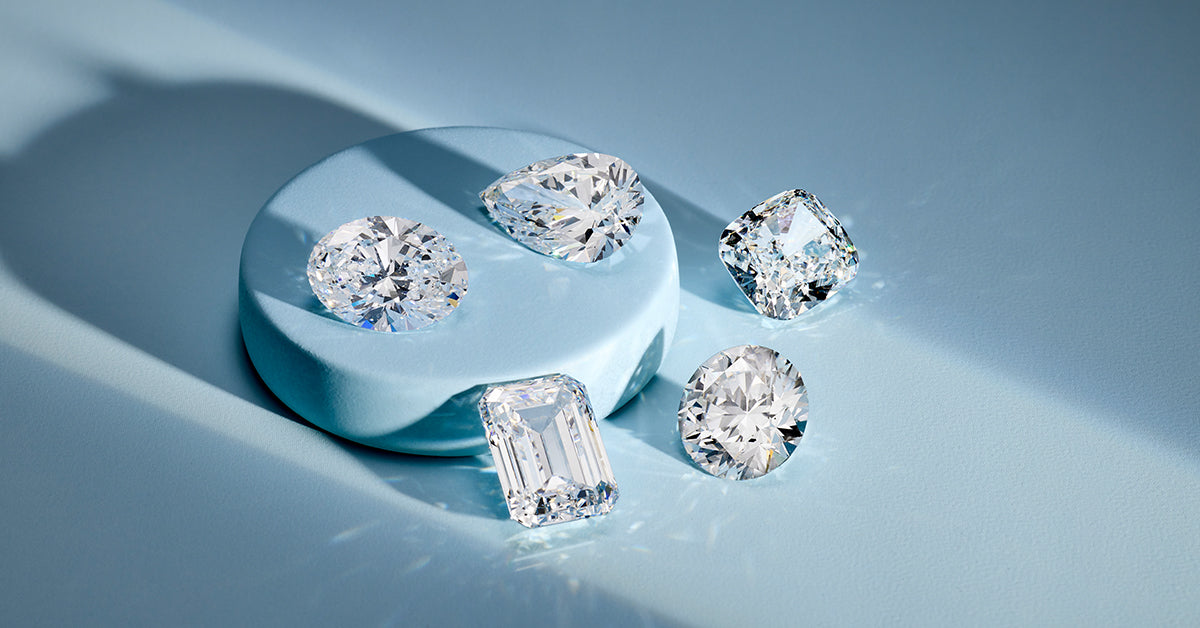
The choice between moissanite and diamond has become more complex in recent years. Many German consumers now compare these two gemstones alongside lab grown diamonds as they search for the perfect piece of jewellery. Understanding the real differences helps you make a confident decision for your engagement ring or special gift.
Table of Contents
What Exactly Are Moissanite and Diamond?
Diamonds form deep within the Earth under extreme heat and pressure. Natural diamonds take billions of years to develop. They consist entirely of pure carbon arranged in a crystal structure. This structure gives diamonds their legendary hardness and unique optical properties.
Moissanite comes from a different place entirely. Silicon carbide forms this gemstone. Natural moissanite is incredibly rare because it originates from meteorites and certain volcanic deposits. Almost all moissanite sold today is created in laboratories. This lab creation process produces stones that rival diamonds in beauty while costing significantly less.
The Science Behind Their Brilliance
Light Performance and Fire
Diamonds bend light in a specific way that creates their famous sparkle. White light reflects off the facets and produces a balanced mix of brilliance and fire. The refractive index of a diamond measures 2.42. This number indicates how much the stone bends light.
Moissanite has a higher refractive index at 2.65. This means it bends light even more than a diamond. The result is a rainbow effect that some people find more dazzling. Moissanite displays double refraction as well. Light splits into two rays when passing through the stone. This creates extra sparkle that differs noticeably from a diamond’s single refraction.
A diamond shows a white sparkle with hints of rainbow colours. Moissanite shows more colourful flashes, especially in sunlight. Neither stone is better. The choice depends on which visual effect appeals to you more.
Hardness and Durability
Diamonds score a perfect 10 on the Mohs hardness scale. Nothing scratches a diamond except another diamond. This makes diamonds ideal for daily wear in engagement rings and wedding bands. A diamond ring can last generations without showing wear.
Moissanite scores 9.25 on the Mohs scale. This makes it harder than sapphires and rubies but slightly softer than diamonds. For everyday jewellery, moissanite stands up well to normal wear. It resists scratches from common objects and retains its polish for years. The difference in hardness rarely matters for practical use unless you work in rough conditions.
The Rising Popularity of Lab Grown Diamonds
Lab Grown Diamonds Explained
Lab grown diamonds have transformed the jewellery market in Germany and across Europe. These stones share the exact same chemical composition as natural diamonds. They consist of pure carbon with the same crystal structure. The only difference lies in their origin.
Scientists create lab grown diamonds using advanced technology that mimics natural formation. Two main methods exist. High Pressure High Temperature (HPHT) reproduces the Earth’s natural conditions. Chemical Vapour Deposition (CVD) builds diamonds layer by layer in a controlled chamber. Both processes produce genuine diamonds with identical physical properties to mined stones.
How Lab Grown Diamonds Compare to Moissanite
Moissanite vs diamond offer a middle ground between natural diamonds and moissanite. They provide the authentic diamond experience without the high price tag of mined stones. German consumers increasingly choose lab grown diamonds for ethical and financial reasons.
Lab grown diamonds test positive as diamonds on standard testers. Moissanite tests differently because of its silicon carbide composition. This matters if you want a true diamond. Lab grown diamonds also maintain the same white sparkle and brilliance as natural diamonds. They do not show the rainbow flashes characteristic of moissanite.
The price difference tells an important story. Lab grown diamonds cost about 30 to 50 percent less than natural diamonds. Moissanite costs significantly less than both diamond types. A one carat moissanite might cost a few hundred euros. A lab grown diamond of the same size might cost several thousand. This price gap helps buyers decide based on budget and preferences.
Colour and Clarity Considerations
Diamonds come in a range of colours from completely colourless to yellow or brown. The Gemological Institute of America (GIA) grades diamond colour from D (colourless) to Z (light colour). Most buyers prefer near colourless stones in the G to J range for good value.
Moissanite typically appears near colourless but can show a slight yellow or green tint in certain lighting. Higher quality moissanite stones achieve better colour grades. Some manufacturers now produce moissanite that closely matches diamond colour grades. These premium stones cost more but offer a closer visual match.
Clarity refers to the presence of internal flaws or inclusions. Diamonds often contain small imperfections from their natural formation. Lab grown diamonds generally have fewer inclusions because of controlled production. Moissanite typically shows fewer visible inclusions than natural diamonds. Both stones offer excellent clarity options for buyers.
Environmental and Ethical Factors
German consumers show strong interest in sustainable jewellery choices. The mining of natural diamonds raises environmental and ethical concerns. Open pit mining disturbs landscapes and consumes large amounts of water. Conflict diamonds have historically funded violence in some regions.
Lab grown diamonds eliminate these concerns entirely. They require no mining and produce less environmental impact. The energy needed for production continues to decrease as technology improves. Many German jewellers now offer lab grown diamonds as an ethical alternative.
Moissanite production also avoids mining issues. Most moissanite comes from controlled laboratory conditions. This appeals to buyers who want beautiful gemstones without environmental damage. Both lab grown diamonds and moissanite offer clear ethical advantages over mined diamonds.
Practical Buying Tips for German Shoppers
Where to Buy in Germany
German cities host many reputable jewellers that carry both options. Berlin, Munich, Hamburg, and Frankfurt offer numerous stores with knowledgeable staff. Look for jewellers that provide certification for their stones. Independent grading reports from organisations like GIA or IGI add confidence to your purchase.
Online shopping has become popular for gemstone purchases in Germany. Established online retailers offer detailed product descriptions and return policies. Always check customer reviews and return options before buying online. Some stores offer free shipping within Germany for added convenience.
Questions to Ask Before Buying
Ask the seller about the stone’s origin before making a purchase. Request certification for diamonds and detailed specifications for moissanite. Compare prices across multiple jewellers to ensure fair value. Look at stones in different lighting conditions. Natural daylight shows the most accurate colour and sparkle.
Consider the setting material as well. Platinum and white gold complement both diamond and moissanite beautifully. Yellow gold can affect how the stone appears. The metal colour impacts the overall look of your jewellery. Most German jewellers offer several setting options to match your style.
Making Your Final Decision
The choice between moissanite and diamond depends on your priorities. Budget often plays a central role in this decision. Moissanite offers remarkable beauty at a fraction of the price. Lab grown diamonds provide genuine diamond quality with better value than natural stones. Natural diamonds remain the traditional choice with proven long term value.
Think about the wearer’s preferences. Some people love moissanite’s extra fire and rainbow flashes. Others prefer the classic white sparkle of a diamond. There is no wrong answer. Both stones create stunning jewellery that lasts for decades.
Lab grown diamonds have become an excellent choice for German buyers who want a real diamond without the traditional price tag. They combine the best of both worlds. You get genuine diamond properties with ethical production and lower cost. This explains their growing popularity across Germany.
Visit local jewellers to compare stones in person. Your eyes will tell you which stone appeals most to you. Feel free to ask questions and take your time with this decision. The right gemstone will bring joy for many years. Whether you choose moissanite or a diamond, you are investing in a beautiful piece of jewellery that reflects your personal taste.