

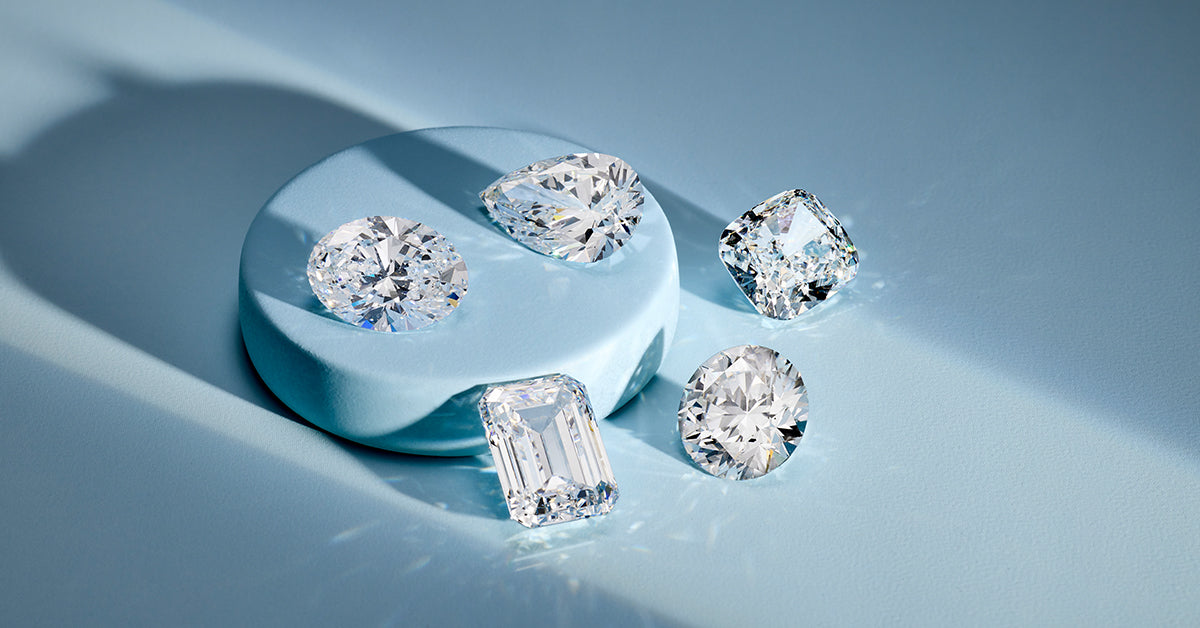
Fresh from science labs, shiny stones now sit alongside classics once pulled only from deep earth pits. Not long ago these sparklers were rare novelties; today they fill displays with clarity and fewer carbon footprints. Picking one isn’t just about looks – it’s knowing how it was made that shapes trust. For vows, milestones, or quiet Friday nights, choices matter more when roots are traceable. Some care about origin stories; others weigh price against brilliance – both paths lead to real beauty. Shoppers now compare more than cut – they probe process too.
Table of Contents
Lab Grown Diamonds Explained?
Laboratory-made diamonds? They’re genuine stones through and through – same makeup, same look, same feel as natural ones. Instead of deep underground heat and pressure, humans replicate those conditions above ground with precise machinery. So what shifts? Origin alone sets them apart
- Priced lower most of the time – sometimes as much as seventy percent under mined stones. A solid choice when cost matters, though savings can swing thirty points either way depending on size and quality.
- Precision shapes every detail: think sharpness, hue, then scale. Clarity holds steady when color behaves and dimensions follow suit. Each piece answers the same – no surprises in look or feel. Steady results come from tight rein on variables. Uniformity shows up where it matters most.
- Doing things right means skipping mines, causing fewer scars on the land.
- Fewer emissions than conventional extraction methods make it stand out. What shows is a cleaner profile when matched against standard digging operations.
Lab Grown Diamonds Why They Exist
One reason shines clear – best lab diamonds MY fit today’s buyer better. Not only do they skip the mining trail, they often cost less. A closer look shows fewer ethical worries tied to their making. Some folks still lean on tradition, yet many now see value beyond earth-dug stones. Shoppers notice how these gems match natural ones under light. What stands out is how fast opinions shift when facts enter the room
1. Value for Money
A big plus? Lab diamonds often cost less. Since they’re made in batches without mine expenses, shoppers gain extra value – maybe a heavier stone, better hue, or cleaner look – for the same price.
2. Ethical and Eco‑Conscious
These days, more people care where their gems come from – especially when it comes to fair treatment and nature. Because of this shift, lab-made stones are gaining favor over mined ones. Workers facing danger underground? That worry fades away. Forests torn apart by digging? Not an issue here. Instead, science steps in, building sparkle atom by atom without harming lives or landscapes.
3. High Quality Wide Selection
A fresh twist on sparkle comes in many shades – think icy clear down to warm hints of color. Instead of paying more for bigger sizes, people now pick heavier carats at calmer costs. Clarity stays sharp across most picks, making quality easy to reach.
What Makes Lab Diamonds Stand Out
Picking a top-quality lab diamond means looking at what matters most in any gemstone. Start with cut, because how it’s shaped affects sparkle more than anything else. A well-cut stone shines brighter even if other traits are weaker. Clarity comes next – tiny marks inside matter less than their impact on light play. Color steps in after that, though near-colorless grades often look just as clean to the eye. Carat weight shapes presence, yet size alone won’t save poor craftsmanship. These points guide decisions without favoring one origin over another
🟦 Cut
- Besides the other three, this one weighs heaviest in the balance.
- Sparkle jumps when a diamond gets the right angles. Light dances best through careful shaping.
- Perfect round diamonds often shine best with an Excellent or Ideal cut. Fancy shapes? They tend to look great when graded Very Good up to Excellent.
🟨 Color
- Diamonds get graded by color, starting at D for completely clear and moving to Z when hints of yellow show up.
- Fancy a clear stone? Pick near-colorless grades if cash isn’t tight. A faint tint slips under most radars when funds lean slim.
🟩 Clarity
- Faultless at one end. Drops step by step into visible imperfections near the lower edge. Ends marked I3 where flaws show clearly without help.
- Starting around 0.20 carats, flaws begin showing more clearly – because of that, plenty go for VS1 to SI1 grades where looks meet cost without compromise.
🟥 Carat Weight
- Larger ones mean higher price, even if worth the same. Size stands in for worth.
- A smaller price tag lets people pick bigger stones while still keeping things high grade. Instead of stretching budgets, they go larger without losing sparkle.
Certification Matters
Starting off, top-quality lab diamonds carry a certificate from trusted testing centers. These reports show up through groups known for strict checks. Think of places that set industry standards. Each stone gets reviewed by experts who confirm its details. You will find proof inside every document created. Such paperwork builds confidence without question. Certification means someone else looked closely first
- GIA (Gemological Institute of America)
- IGI (International Gemological Institute)
- HRD Antwerp
A trustworthy check of your stone’s true qualities comes through certification – skip it at your own risk. What you get is proof, not promises, when buying a gem meant to last.
Lab diamond shapes styles 2026
Lab diamonds are available in all popular shapes, each with its own charm:
💎 Round Brilliant
- That old favorite still shines brightest
- Perfect when choosing a ring to mark an engagement
👀 Princess Cut
- Sharp lines catch light like glass on a sunny day. Edges stand out, crisp under bright conditions. Bright flashes appear when viewed from different angles
- Fine on its own, works well around a central stone too
🌟 Cushion Cut
- Edges feel gentler here. A look from the past settles in, quiet and unforced
- A favorite when it comes to one-of-a-kind bands
Oval and Emerald Shapes
- Long lines bring a touch of grace. Streamlined forms add quiet sophistication. Stretched silhouettes shape something refined. Tall curves speak without shouting. Extended edges offer calm strength. Slender builds hold their ground gently
- Often appears larger per carat
How to Choose Lab Grown Diamonds
Start here if you want the best return. Pick this path when aiming for top results. Choose it whenever bigger gains matter most. Go this way once priorities shift toward maximum benefit
A single vendor might see a lab grown diamonds one way; another could value it higher or lower. Shop around, because opinions on cut or clarity often shift between stores. One shop’s fair deal may seem steep elsewhere. Look at several sources before deciding. Prices change depending on who’s selling. Grading isn’t always consistent across counters.
Start by requesting proof. Demand third-party test results before accepting any claim.
Look at return rules first. A solid chance to send things back means peace of mind later. Few shops offer that breathing room.
A small magnifying glass helps spot tiny flaws in stones graded SI. Look closely at how clear the diamond seems under light. Details become visible only when viewed up close. Flaws hide easily without proper tools. Seeing them changes everything.
A different start changes how we see it – choose the setting first, since even modest diamonds shine brighter in the right frame.
Lab Diamonds for Any Budget
Lab diamonds fit a wide range of budgets:
- A few bucks under a grand gets you half to one carat, clear enough plus nearly free of color tint. Carats sit around that range when budgets stay shy of four figures.
- $1,000–$3,000: 1.00–1.50 ct with excellent cut and color.
- A few thousand dollars opens doors to bigger gems, especially those with top clarity from D to F. These choices stand out best in bold jewelry designs.
Conclusion
Starting with how they look, top lab diamonds balance sparkle, craftsmanship, eco-friendliness, plus cost. For rings tied to fairness or earrings made to catch light, these stones give wide choices. When the 4 Cs guide your pick, add clear proof of quality, mix in side-by-side looks, what stands out fits well – bright in flash, solid in principle.


